In facing the challenges of climate change that affect the environment and natural resources, green technology is becoming increasingly important in addressing this issue.
Green technology is the answer to efforts aimed at minimizing negative impacts on the environment and human life, also referred to as clean and sustainable technology.
From the energy, transportation, and agriculture sectors, green technology initiatives hold significant potential to drive development while preserving natural resources.
Stepping toward a more sustainable future, Sarawak has emerged as a state leading in green technology to generate low-carbon economic growth.
The launch of the Sarawak Sustainability Master Plan 2030 serves as a key driver in this effort, outlining several strategic steps to balance economic development with environmental sustainability.
The main objectives of this action plan revolve around green economic growth, environmental sustainability, and resilient, inclusive communities.
The development of the green energy sector is a primary focus in Sarawak’s energy transition, serving as a new low-carbon economic driver that preserves biodiversity and improves people’s quality of life through access to clean energy and food security.
In this energy transition, Sarawak has set a target to maintain at least 60 percent renewable energy by 2030.
These efforts include increasing hydro and solar capacity, as well as expanding alternative rural electrification through the Sarawak Alternative Rural Electricity Supply Scheme (SARES).
To date, Sarawak has achieved 62 percent renewable energy usage, demonstrating the state’s commitment to sustainable energy development.
Hydropower remains the cornerstone of Sarawak’s renewable energy development strategy, with current capacity exceeding 3,500 MW generated from a combination of the Bakun Dam (2,400 MW), Murum Dam (944 MW), and Batang Ai Dam (108 MW).
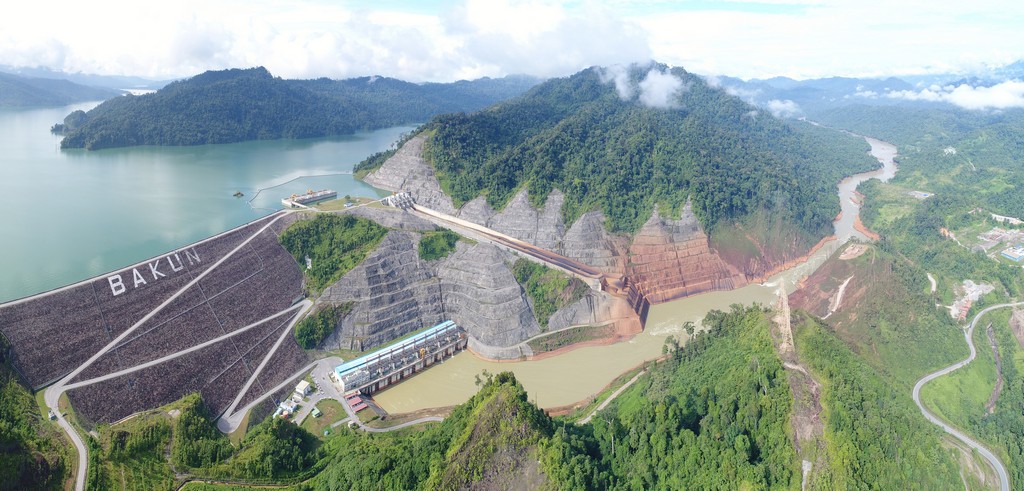
Additionally, the Baleh Dam project, with a capacity of 1,285 MW, is expected to be completed this year, positioning Sarawak to have a total hydropower capacity exceeding 4,800 MW.
This strategic step not only positions Sarawak as the largest hydroelectric power producer in Malaysia but also in the Southeast Asian region.
Sarawak Energy Berhad (SEB) is a key leader in this initiative, also developing the Batang Ai floating solar project with a target solar generation capacity of 1,500 MW by 2035.
Sarawak’s green energy transition is further strengthened at the domestic consumption level through the implementation of rooftop solar system installation projects, with an allocation of RM11.24 million.
This initiative aims to expand the clean energy transition among the public through the adoption of green technology.
The program, named the Net Energy Metering (NEM) Scheme, reflects the government’s commitment to making sustainable practices commonplace among consumers.
Its implementation also serves as a form of investment to encourage more citizens to install solar systems in their homes.
Indirectly, this initiative ensures that the public can enjoy the benefits of green technology, which has thus far been led by industry players.
Administered by SEB, the scheme provides specific subsidies for domestic solar systems, with installation costs for a 4 kWp capacity system estimated at approximately RM15,000 to RM20,000.
Through SARES, this program, which has been implemented for a decade, is one of the green technology initiatives serving as an alternative to provide 24-hour electricity supply in rural areas that are difficult to connect to the main grid.
Since its implementation, SARES has brought electricity to over 2,700 households across 140 villages in various districts of Sarawak, benefiting rural residents.
Notably, each off-grid solar unit installation is capable of reducing carbon emissions by an estimated 1.5 to 2.0 tonnes of CO2 per year.
Carbon Capture, Utilization, and Storage (CCUS) projects represent another important component in Sarawak’s green technology direction.
Through carbon studies in dam catchment areas, Sarawak anticipates generating approximately 250,000 carbon credits.
This effort not only contributes to new income sources for communities but also creates opportunities for community participation, particularly in rural areas, in conservation and ecotourism programs based on green technology.
Under the low-carbon mobility initiative, Sarawak is developing the Kuching Urban Transportation System (KUTS) by introducing the Autonomous Rail Rapid Transit (ART) system.
ART is a zero-emission transportation system powered by hydrogen energy, offering a safe, comfortable, and environmentally friendly public transport mode.
This project is a transformative initiative aimed at improving a more comprehensive public transportation system while addressing several critical issues, such as reducing traffic congestion.
By integrating modern, eco-friendly technology, the KUTS project not only enhances urban mobility connectivity but also supports low-carbon community goals.
In the agriculture sector, Sarawak, through the Ministry of Food Industry, Commodities and Regional Development Sarawak (M-FICORD), is actively adapting smart technology to increase productivity while reducing ecological impact.
For instance, the Precision and Discipline Agriculture Facility, operated by the Sarawak Digital Economy Corporation (SDEC), has demonstrated significant success with 50% labour savings, 60% reduction in water usage, and 30% decrease in fertilizer waste since 2023.
This Internet of Things (IoT)-based smart farming method can be expanded to crops such as rice and high-value vegetables, subsequently increasing the income of rural farmers.
Sarawak’s green technology goals also revolve around sustainable waste management, with a focus on utilizing palm oil waste, wood biomass, and food waste as sources of energy and industrial raw materials.
This initiative is part of efforts to reduce dependence on fossil fuels and landfill sites.
To meet the state’s energy and green technology sector needs, various human capital development programs are being actively implemented to produce at least 10,000 experts and technologists by 2030.
The Sarawak Ministry of Energy and Environmental Sustainability (MEESTY), which plays a crucial role in realizing this aspiration, emphasizes the enrolment of local students in TVET (Technical and Vocational Education and Training) fields.
This effort aligns with the Sarawak Energy Transition Roadmap (SETR) and the Sarawak Hydrogen Direction Plan, which require a highly skilled workforce.
Overall, Sarawak’s green technology direction is not merely a development strategy but a commitment to a cleaner, more inclusive, and resilient future.
Through various green development model initiatives, Sarawak is positioning itself as a regional leader in a resilient low-carbon economy.
These strategic steps not only ensure environmental sustainability but also open up new, sustainable economic opportunities for future generations.
Reference:
1. https://meesty.sarawak.gov.my/web/home/index/