
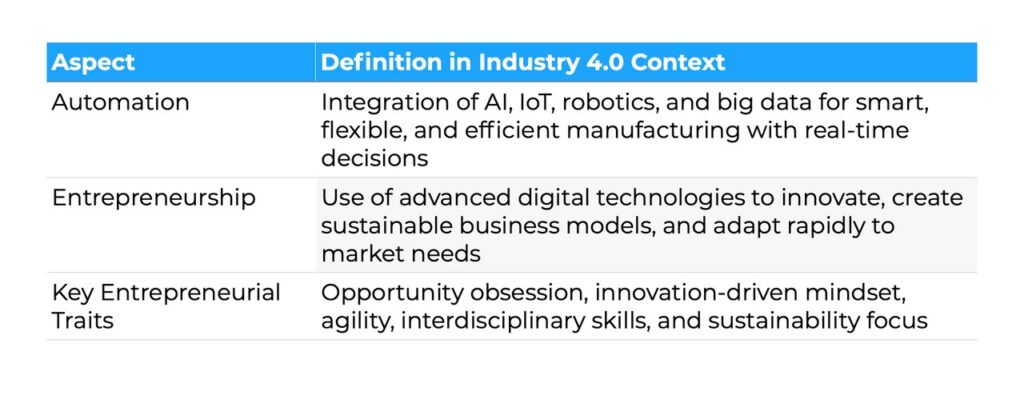
In the wake of Industry 4.0, automation and entrepreneurship are converging to redefine how businesses are built and grown.
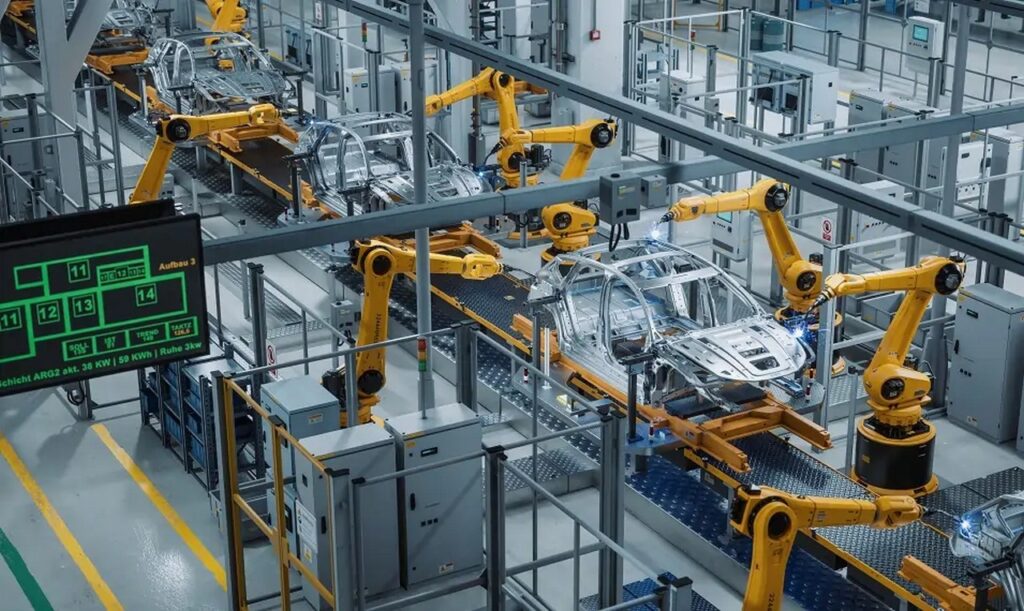
These smart systems enable real-time decision-making, greater customisation, reduced waste, and increased responsiveness to change. They mark a shift from rigid production hierarchies to decentralised, self-optimising networks capable of operating with minimal human intervention.
Parallel to this transformation, Entrepreneurship 4.0 has emerged as a wave of digitally enabled enterprise driven by innovation, agility, and sustainability. Modern entrepreneurs are evolving to become opportunity-seekers equipped with advanced tools to disrupt traditional industries.
Leveraging data analytics, automation, and interconnected platforms, entrepreneurs of this era aspire to reimagine value chains to deliver rapid production, personalised services, efficient logistics, and meaningful social impact.
Automation In Entrepreneurship: A Match In Heaven?
Industry 4.0 technologies offer entrepreneurs unprecedented opportunities to scale smarter, pivot faster, and compete globally with fewer resources.
According to a survey by the Business Development Bank of Canada (BDC), 60% of entrepreneurs adopting digital technologies reported productivity gains, while 50% noted reduced operating costs. These gains stem not only from automation’s ability to handle repetitive tasks but from its capacity to enable data-driven insights, real-time customisation, and agile decision-making.
Moreover, digital adopters were nearly twice as likely as their peers to project revenue growth exceeding 10% in the next three years, underscoring the tangible competitive edge of tech-integrated entrepreneurship. Improved quality control, enhanced customer experiences, and the ability to innovate continuously have all become hallmarks of automation-powered business. This fusion of automation and entrepreneurship is seen as building resilient, inclusive, and future-ready ecosystems.
As Sarawak deepens its commitment to digital economy development, understanding this synergy is critical. Entrepreneurs and policymakers alike must grasp how automation is transforming the rules of engagement, and how new ventures can rise by embracing, rather than resisting, technological change.
Automation as a Catalyst for Entrepreneurship
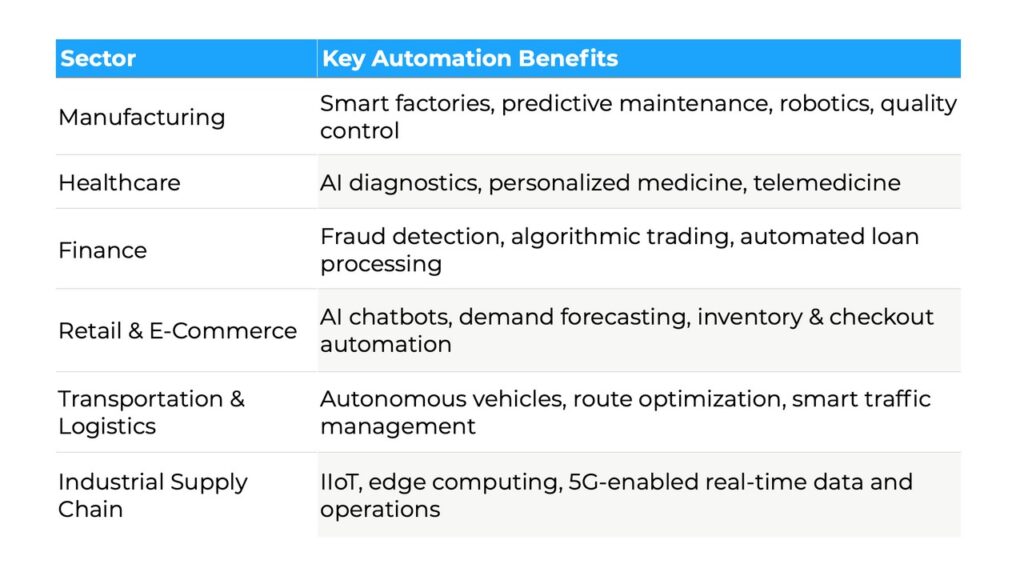
Automation has become a powerful enabler for small and emerging entrepreneurs, particularly in the digital economy.
Lowering Barriers to Entry
Traditionally, aspiring entrepreneurs needed significant capital, a skilled workforce, and complex infrastructure to enter industries such as manufacturing or logistics. Today, Industry 4.0 automation is transforming that equation.
Entrepreneurs can now adopt modular, scalable technologies that grow alongside their businesses. For example, automation allows startups to begin small, using basic robotic process tools or AI-based software, and then expand incrementally without massive upfront investments.
This technological shift also reduces dependency on highly specialised labour. Automated systems handle repetitive, complex, or technical tasks, enabling entrepreneurs to operate with leaner teams and focus on innovation and strategy. This is especially vital in regions like Sarawak, where the shortage of digitally skilled workers remains a challenge.
By streamlining complex operations, automation makes it possible for founders to manage production, marketing, logistics, and customer service more efficiently – even without deep technical expertise.
Automation also boosts efficiency and output. Startups can optimise resources, reduce errors, and maintain consistent quality while keeping operating costs low. Real-time data generated through automated systems empowers entrepreneurs to make quick, informed decisions, respond to customer demands, and adjust business strategies with agility. In effect, automation can help new ventures thrive in competitive, fast-moving markets.
While challenges like cybersecurity risks, system integration hurdles, and digital readiness gaps remain, many of these are being addressed through public training, financial incentives, and ecosystem support by both governments and industry players. As awareness grows, automation is rapidly becoming a strategic necessity for modern entrepreneurship.
Real-World Examples of Automation in Action
Across the globe, businesses large and small are redefining their operations with automation.
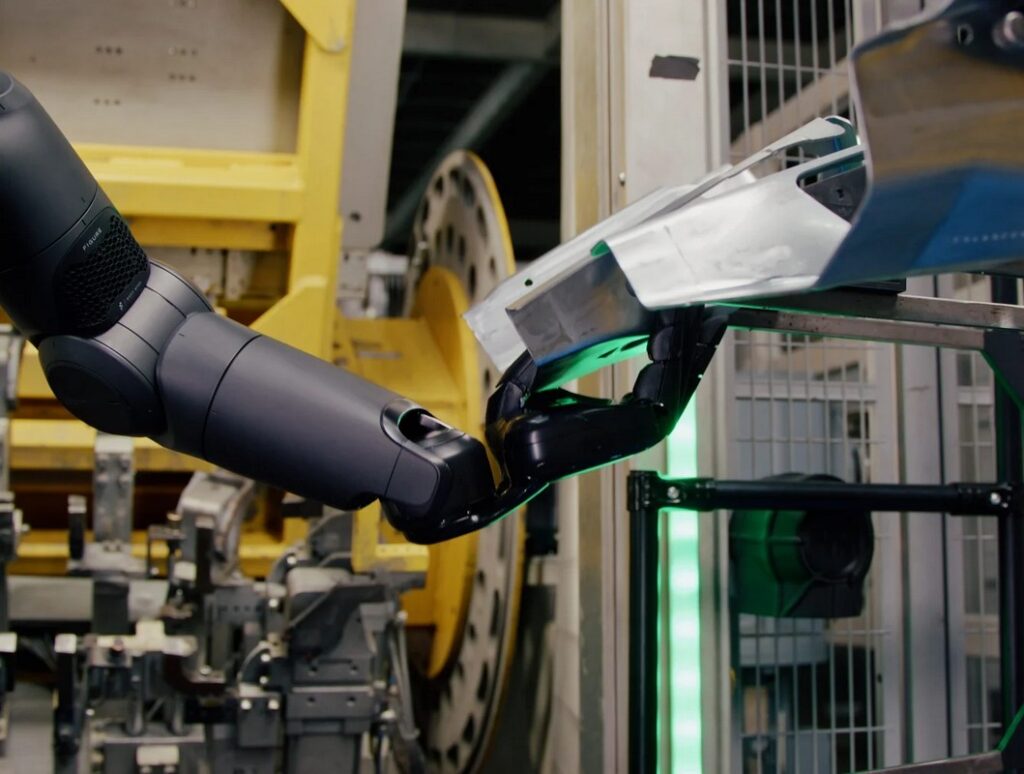
- BMW, has incorporated robotics and big data analytics into its manufacturing process, dramatically improving efficiency and product quality. In a recent trial, the BMW Group’s Spartanburg plant deployed the humanoid robot Figure 02 to automate chassis assembly.
- Siemens has gone further, integrating IoT and AI into its production lines, enabling real-time defect detection and slashing energy use by 42%, and increased productivity by 69%.
- Bosch is another frontrunner, using IoT devices to monitor and optimise operations across sectors such as mobility and manufacturing. Its Bosch IoT Suite enables real-time device and data management, improving decision-making and service delivery across connected ecosystems.
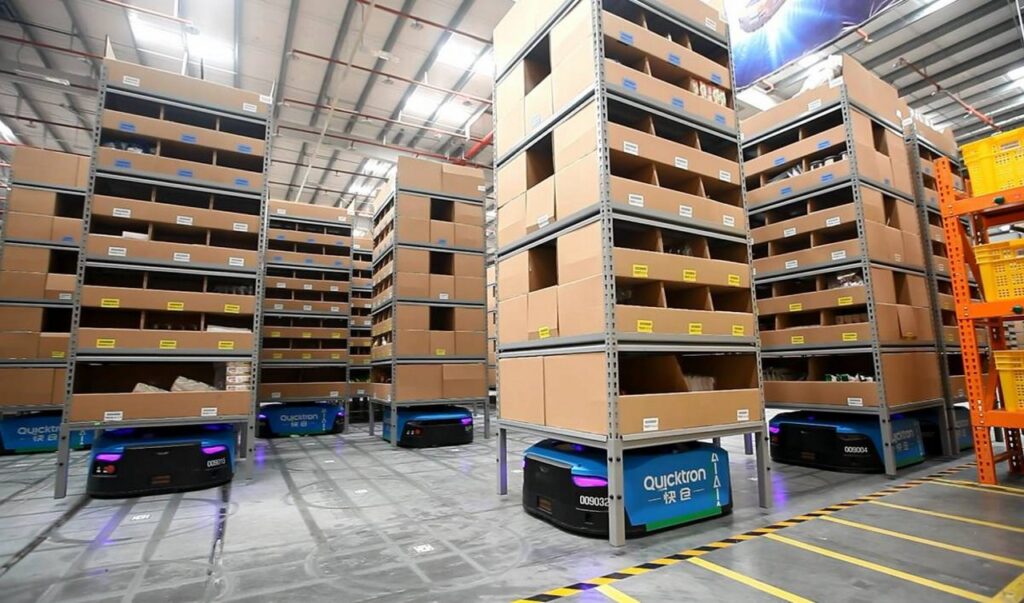
- In the logistics domain, Alibaba has transformed warehouse operations with over 60 robotic carriers known as Quicktron, reducing human labour by 70% and dramatically improving speed and accuracy.
- In construction, Construction Robotics has introduced SAM (Semi-Automatic Mason), a bricklaying robot that works alongside humans to triple productivity and reduce physical strain in dangerous projects, illustrating how automation augments human capability rather than replaces it.
New Entrepreneurial Models Enabled by Automation
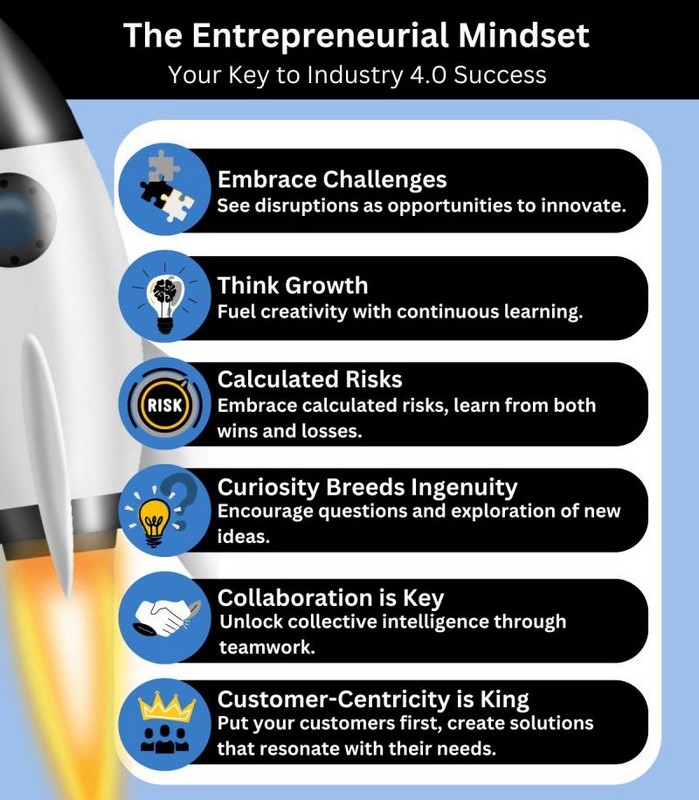
The rise of automation has since unlocked entirely new models of entrepreneurship like gig-based microenterprises to fully automated e-commerce stores and AI-driven service agencies.
With more widely available automation technology, entrepreneurs across different skill levels, geographies, and industries are able to create scalable, lean, and dynamic ventures with far fewer resources than ever before, further democratising access to income generation in the digital economy.
Gig Platforms and the Rise of Microentrepreneurship
Automation plays a foundational role in powering today’s gig economy. Gig platforms use intelligent algorithms to match workers with short-term jobs, freelance contracts, or on-demand services, offering flexibility and market access to millions of microentrepreneurs globally.
At the core, AI-driven systems enhance job-matching by aligning opportunities with a gig worker’s skills, preferences, and availability. This personalisation improves efficiency for both workers and clients while increasing earnings potential. Administrative processes such as scheduling, invoicing, payments, and customer communications are also automated, allowing individuals to focus on delivering their service instead of being bogged down by logistics.
Automation further empowers microentrepreneurs through predictive analytics, guiding them toward better gigs and helping them optimise workflows. Platforms can provide tailored advice, skill-building recommendations, and performance data, transitioning gig work from transactional labour into a pathway for strategic growth.
Additionally, automation has expanded the gig economy itself by creating entirely new tech-enabled roles. These include AI data labelling, virtual assistance, content moderation, and cloud-based system maintenance, jobs that were scarce a decade ago but now represent valuable income streams.
However, this model is not without its trade-offs. While automation enhances productivity and accessibility, it also intensifies competition and puts pressure on workers to continuously upskill. Success in the gig economy increasingly requires adaptability and digital literacy – especially as automated systems evolve.
AI-Powered Startups: Dropshipping, Digital Agencies, and SaaS Microenterprises
Entrepreneurs are also leveraging automation to create online businesses that operate almost entirely without human intervention – particularly in the areas of dropshipping, AI-run digital agencies, and SaaS (Software-as-a-Service) micro-startups.
Dropshipping – a business model where entrepreneurs sell products without holding inventory – has been revolutionised by automation. Tools like AutoDS and DSers now automate bulk ordering, inventory updates, and supplier communications.
AI-powered platforms perform product research, import trending items into stores, and even auto-generate optimised product descriptions and images. With automated order fulfilment, chatbots handling customer service, and marketing tools executing campaigns, dropshipping entrepreneurs can operate globally with minimal overhead.
Similarly, AI-run digital agencies are emerging as viable microenterprises. These businesses use automation to create marketing campaigns, generate SEO content, manage ads, and produce social media assets without needing large creative teams. Project management, invoicing, and client reporting are handled via integrated systems, enabling small agencies to serve multiple clients with lean teams and high margins.
For SaaS micro-startups, automation is embedded in every layer of operations. From onboarding and subscription billing to product updates and customer support, automation allows a single entrepreneur (or a very small team) to serve hundreds or thousands of users.
Continuous integration tools push updates seamlessly, AI chatbots handle basic queries, and marketing automation supports user acquisition and retention. These businesses are highly scalable and can grow rapidly without requiring proportional increases in staff or infrastructure.
Passive Income Ventures Powered by Automation
Perhaps the most compelling example of automation’s potential lies in passive income models. These ventures are designed to generate ongoing revenue with minimal daily effort after initial setup – thanks to technology that handles most operational tasks.
Entrepreneurs build or acquire valuable offerings like digital products, affiliate websites, online courses, or print-on-demand merchandise, and then use automation to run the backend. Customer service is managed via chatbots; orders are processed and shipped through integrated platforms; marketing is handled through pre-set email sequences, social media scheduling tools, and targeted ad campaigns; payments are collected through automated billing systems.
Once operational, these ventures can scale rapidly with minimal human involvement. They generate consistent revenue streams, informed by real-time data that optimises engagement, pricing, and campaign performance. Popular examples include:
- Dropshipping stores with fully automated fulfilment
- Affiliate marketing funnels with automated content publishing
- Print-on-demand merchandise integrated with automated logistics
- Online course platforms with pre-scheduled content delivery and student support
- Subscription-based SaaS tools that solve specific user problems with minimal human oversight
That said, these systems aren’t entirely hands-off. Successful passive income ventures require meaningful upfront work or products that meet customer needs and demand, strategic thinking, and regular optimisation.
Automation: A Threat More Than A Boon?
While automation offers vast potential to revolutionise entrepreneurship, it also raises urgent concerns about job displacement, inequality, digital exclusion, and the sustainability of tech-driven growth.
As entrepreneurs increasingly embrace automation to streamline and scale their operations, these challenges must be acknowledged and addressed to ensure that the benefits of innovation are shared inclusively and ethically.
Over-Automation and the Threat to Traditional Jobs
Perhaps the most pressing concern is that automation, in its current trajectory, risks displacing millions of workers across both low-skilled and high-skilled sectors.
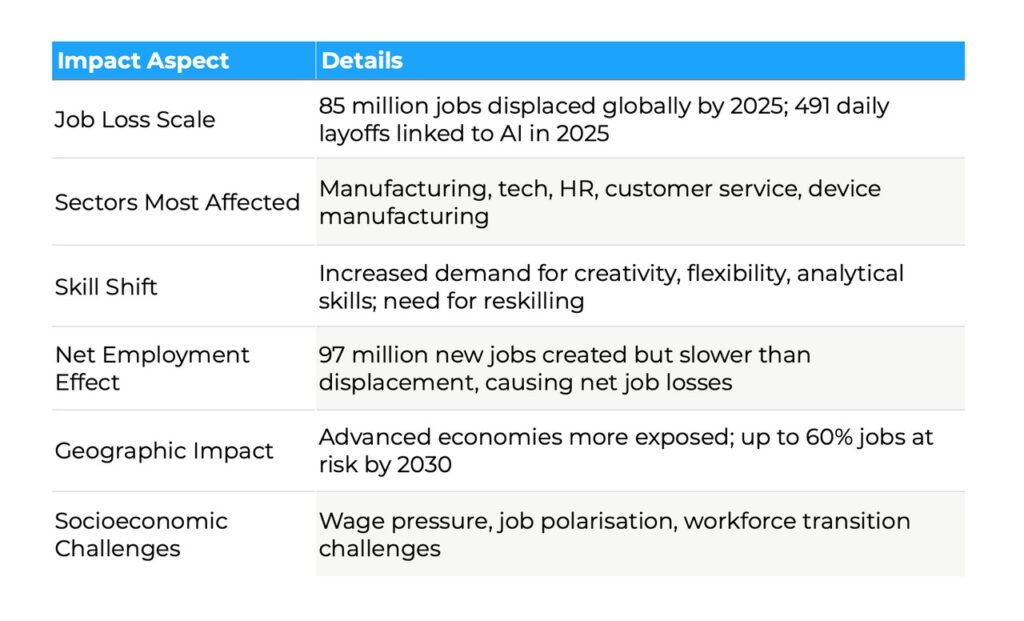
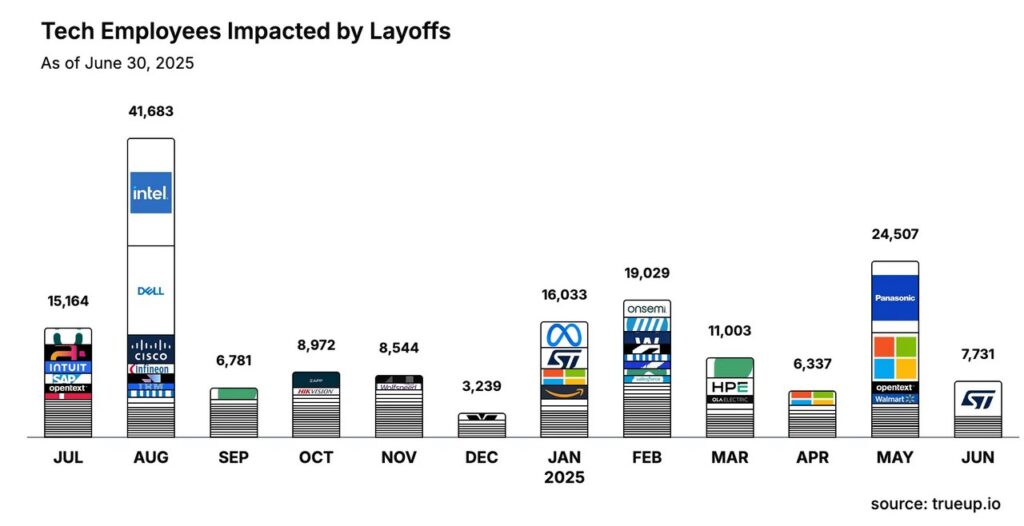
In 2025 alone, it is estimated that nearly 468 individuals lose their jobs each day due to automation-related restructuring. Global tech giants such as Microsoft, IBM, Meta, and Amazon have collectively laid off tens of thousands of employees, as entire functions that were once managed by humans are now being automated away.
This wave of displacement is particularly acute in sectors like manufacturing, customer service, and HR, fields that rely on routine, rule-based tasks. The World Economic Forum estimates that while automation could create 97 million new jobs by 2025, it will also eliminate 85 million existing ones. Furthermore, the churn is uneven: new jobs often require different skillsets, and the pace of displacement is outstripping the creation of meaningful alternatives.
The implications are profound. Nearly half the global workforce will need to be reskilled to adapt to changing job demands that now prioritise critical thinking, digital fluency, and creative problem-solving. Without proactive retraining strategies, this shift risks widening existing gaps between those who can afford to adapt and those left behind.
The Digital Divide in an Automated World
As automation accelerates, the digital divide deepens. Automation tools disproportionately benefit individuals and businesses with access to reliable internet, modern devices, and advanced digital skills. In contrast, those in rural or low-income communities often lack both the infrastructure and opportunities to retrain for emerging roles.
This inequity contributes to labour market polarisation, where high-skilled digital jobs proliferate for a few, while many face unemployment or precarious, low-wage work. Vulnerable populations, including those in routine administrative or production roles, are particularly at risk. Many lack the digital literacy needed to transition into tech-driven jobs or gig-based roles enhanced by automation.
Moreover, new work models like remote freelancing, hybrid teams, and project-based contracts are inaccessible to those without strong digital infrastructure. This creates regional and sectoral disparities, where urban centres surge ahead while rural economies struggle to keep pace, undermining national goals for inclusive development and economic equity.
Growing Trust Deficit in AI and Automated Services
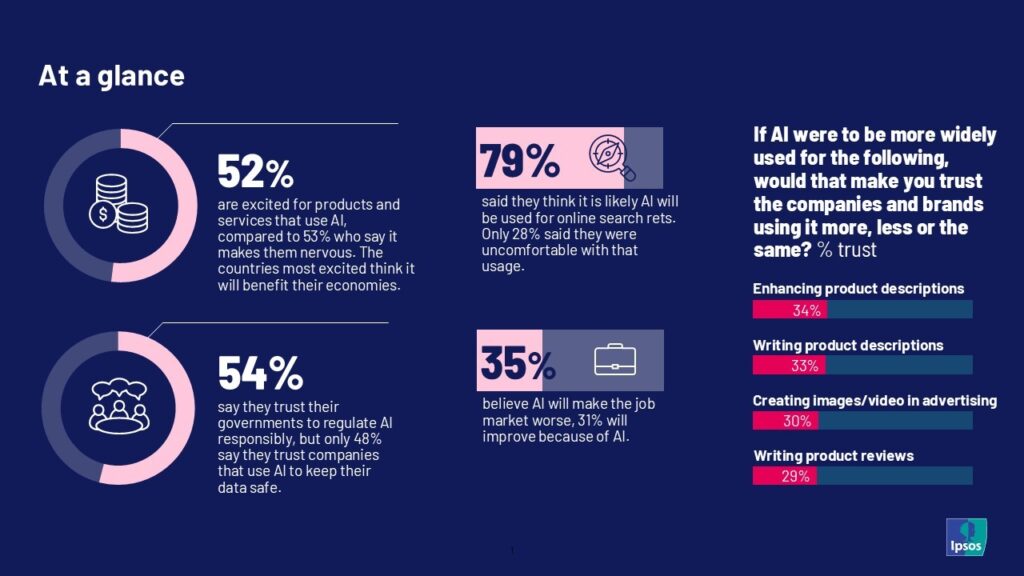
Despite rapid adoption, public trust in AI and automation is faltering. According to a 2025 survey by global market research specialist Ipsos, global sentiment is sharply divided: 52% of people report excitement about AI services, while 53% express unease. The root of this ambivalence lies in growing concerns around privacy, bias, misinformation, and job displacement.
Although 66% of people use AI regularly, only 46% say they trust these systems. Public confidence is especially low when it comes to sensitive or high-stakes use cases.
For instance, only 7% trust AI chatbots to handle insurance claims, compared to 49% who prefer human agents. People trust governments (54%) more than private companies (48%) to regulate AI, and a resounding 79% demand disclosure when AI is used in consumer-facing services.
The rise of generative AI tools has amplified debates around transparency, fairness, and accountability. Without clear ethical guidelines and effective regulation, these technologies risk undermining public confidence and creating backlash that could stall meaningful innovation.
Automation’s Cost Burden on Small and Rural Entrepreneurs
While automation opens doors for lean startups and tech-savvy founders, the costs remain a significant barrier for many small and rural entrepreneurs.
High upfront investments, such as a RM2 million automation system for a small manufacturing process, can take years to yield returns. For entrepreneurs operating with thin margins or limited financing options, this makes adoption a risky proposition. Even modular or subscription-based tools carry hidden costs like software updates, cybersecurity, employee training, and maintenance.
In rural areas, these challenges are compounded by connectivity limitations. Many automation tools rely on cloud access, real-time data, or 5G connectivity – resources that are still unevenly distributed between urban and rural settlements. Without reliable internet, even simple automation tools can become cumbersome or unusable.
Moreover, entrepreneurs in smaller communities may lack access to affordable technical consultants or local vendors to support their automation journey. Without guidance, integration becomes complex and fraught with uncertainty. Combined with the skills gap (especially in digital and technical know-how), automation risks becoming a luxury accessible only to better-resourced urban enterprises.
Even when the benefits are clear, risk aversion remains high. Small business owners are understandably hesitant to overhaul their operations for a technology that might disrupt existing workflows or cause temporary downtime. Without targeted support and capacity building, these barriers will continue to deter automation adoption at the grassroots level.
Policies and Support Systems: Setting Up The Stage For Automation
Recognising the transformative power of automation, both the Malaysian federal government and the Sarawak state government have introduced a suite of strategies, funding mechanisms, and capacity-building programs to help entrepreneurs harness automation technologies.
These efforts are crucial to ensuring that automation adoption is inclusive, scalable, and aligned with national development goals.
Federal Policies: Accelerating National Adoption of Automation
At the national level, Malaysia has taken decisive steps to embed automation and AI into the fabric of its economic strategy for entrepreneurs and small to medium-sized enterprises (SMEs).
Spearheaded by the Ministry of Science, Technology and Innovation (MOSTI), the roadmap outlines Malaysia’s vision for AI-driven transformation across sectors like manufacturing, healthcare, and finance.
The roadmap is complemented by the establishment of the NAIO, which coordinates AI development and promotes its responsible integration into business ecosystems. Notably, the National Guidelines on AI Governance and Ethics provide entrepreneurs with frameworks for deploying AI safely and transparently.
- Budget 2025 Measures:
The government has allocated MYR600 million for AI-related R&D and MYR50 million for digital talent development. Entrepreneurs can benefit from double tax deductions on AI R&D and digital upskilling expenses, reducing the cost of automation adoption.
A dedicated RM1 billion fund supports talent development in smart manufacturing, green tech, and health innovation, helping startups and SMEs access a skilled workforce.
To address local talent gaps, the government has also eased hiring rules for foreign AI graduates from Malaysian universities.
This flagship policy promotes digitalisation across all sectors by expanding infrastructure, fostering digital skills, and supporting entrepreneurship. Through ecosystem programs, entrepreneurs gain access to funding, networking, and automation adoption guidance.
- MYStartup and Ecosystem Programs:
Platforms like the MYStartup Accelerator provide grants up to RM1 million, mentorship, and technical support to help startups scale with automation and AI. These platforms also act as gateways to investor networks and government services, reducing friction in technology adoption for early-stage ventures.
- Workforce Upskilling Programs:
Initiatives like the Future Workforce Training Scheme and the Employment Insurance System offer digital skills training and career transition support for both entrepreneurs and employees. Collaborations with universities and TVET institutions ensure that education and training remain aligned with Industry 4.0 demands.
- Industry 4.0 Policy and National IR4.0 Framework:
These policies provide strategic guidance, grants, and tax incentives to encourage automation across Malaysia’s industrial landscape, particularly among SMEs. Entrepreneurs are encouraged to upgrade operations with smart manufacturing solutions, predictive analytics, and robotics to enhance competitiveness.
Sarawak-Specific Strategies: Bridging Policy and Local Innovation
Sarawak has aligned closely with national digitalisation goals while also tailoring policies to local needs, especially for entrepreneurs operating in emerging or rural markets. Automation adoption is increasingly embedded in the state’s broader development agenda, with targeted programs to catalyse digital entrepreneurship.
- Sarawak Investment Policy Enhancement:
The Sarawak government is finalising an upgraded investment policy that prioritises technology-driven and sustainable ventures. This policy aims to attract high-value investments in sectors such as advanced manufacturing, renewable energy, and digital services.
As a result, local entrepreneurs benefit from a more competitive and innovation-friendly business environment, as well as expanded support for MSMEs that drive Sarawak’s grassroots economy.
These strategies serve as roadmaps for digital transformation. They emphasise entrepreneurship, AI adoption, and the development of smart infrastructure.
The Sarawak Digital Economy Corporation (SDEC) plays a central role in this agenda by helping startups access funding, mentorship, and training programs tailored for automation integration. Through local innovation showcases and regional tech conferences like Slush’D Penang 2025, Sarawak is positioning its entrepreneurs on the regional digital map.
- AI.LEGACY Intelligent Impact Management System:
Launched in early 2025, AI.LEGACY is the world’s first AI-powered impact management platform for business events, developed jointly by Business Events Sarawak (BESarawak) and UNIMAS.
While focused on the events sector, this initiative reflects Sarawak’s broader commitment to embedding automation into local industries. For entrepreneurs, it signals the state’s readiness to back homegrown AI development, fostering confidence and innovation within the automation landscape.
Together, these national and state-level policies are forming an increasingly supportive ecosystem for automation-enabled entrepreneurship. While challenges remain, the strategic alignment between funding, infrastructure, talent development, and regulatory support provides a strong foundation for entrepreneurs to adopt automation responsibly and effectively.
Conclusion: Towards Future-Proof Entrepreneurship
The convergence of automation and entrepreneurship represents one of the most transformative dynamics of the digital age. Automation, once the domain of large industrial players, is now accessible to entrepreneurs of all scales, empowering them to optimise operations, reduce costs, personalise offerings, and scale with unprecedented speed. Combined with the emergence of new business models, automation is reshaping what it means to build, manage, and grow a business in the 21st century.
However, this transformation comes with complex trade-offs. The rapid advancement of automation is accelerating job displacement, deepening the digital divide, and raising valid concerns over ethics, trust, and equitable access. Without proactive reskilling, inclusive digital infrastructure, and stronger governance frameworks, the benefits of automation risk becoming unevenly distributed, leaving behind those without the tools or opportunities to adapt.
Malaysia and Sarawak have made significant strides to address these challenges through national blueprints, targeted funding, AI governance initiatives, and startup ecosystem support. As we forge ahead, the path forward must prioritise human-centric automation, where technology augments rather than replaces people, and where innovation is guided by inclusivity, sustainability, and shared value creation.
As entrepreneurs continue to embrace automation as both a tool and a mindset, the most successful ventures will be those that pair technological prowess with purpose, ethics, and social impact.
References:
- What is industry 4.0?
- [PDF] Entrepreneurship 4.0 and Success Factors in the Context of Industry 4.0: A literature review
- [PDF] ENTREPRENEURSHIP 4.0: CONCEPTS AND DEFINITIONS
- The Entrepreneurial Mindset: Key to Innovating in Industry 4.0
- How can Industry 4.0 benefit my business?
- Industry 4.0 Advantages and Disadvantages
- The benefits and challenges of adopting Industry 4.0 for businesses
- [PDF] Exploring the Challenges of Industry 4.0 Entrepreneurs: A Grounded Theory Approach
- BMW & Industry 4.0 Revolutionising Automotive Manufacturing
- World Economic Forum: Siemens factory in Erlangen named Digital Lighthouse Factory
- Bosch IoT Suite: your gate to the world of IoT
- Industry 4.0 through examples
- The Evolution of Gig Economy Jobs and Their Impact on Work
- Automation and the Gig Economy: Redefining Work in the Age of Assisted AI
- Automated dropshipping: A complete guide for 2025
- AI Tools for Dropshipping
- Is AI Replacing Digital Marketing Agencies? Here’s What’s Really Happening
- How AI is Shaping the Future of Digital Business – Altimetrik
- AI in Digital Marketing: The Ultimate Guide for Agencies
- Why Every Startup Will Soon Be a Micro-Automation Company
- The Rise of Micro-SaaS: How Niche Apps Are Shaping Software
- The Tech Layoff Tracker
- [PDF] Future of Jobs Report 2025 | World Economic Forum
- 60+ Stats On AI Replacing Jobs (2025) – Exploding Topics
- AI Replacing Jobs Statistics: The Impact on Employment in 2025
- AI Job Displacement 2025: Which Jobs Are At Risk?
- Automation will displace 85 million jobs by 2025: World Economic Forum
- AI-Driven Agentification of Work: Impact on Jobs (2024–2030)
- Recession and Automation Changes Our Future of Work, But There are Jobs Coming, Report Says
- By 2025, half of all work tasks will be handled by machines
- AI Job Market 2025: Impact on Employment & Future Workforce Trends
- Conflicting Global Perceptions around AI present Mixed Signals for Brands
- [PDF] Trust, attitudes and use of artificial intelligence: A global study 2025
- Quantifying the AI Security Risk: 2025 Breach Statistics and Financial Implications
- [PDF] When Automation Is The Answer: See the challenges holding back small and mid-sized businesses – ad how automation can help
- AI Automation Costs in 2025: What SMBs Need to Know Before Investing
- Artificial Intelligence 2025
- Budget 2025 Accelerates Malaysia’s Transformation in AI
- Sarawak Enhancing Policies For Investments & Entrepreneurship
- Sarawak Showcases Innovation & Investment Potential At Slush’D Penang 2025
- S’wak to launch AI.Legacy: World’s first smart impact management system for business event legacies
